If you’re running a solo ecommerce business, you don’t have time to manually write 50 or 100 product descriptions every month. However, copying and pasting manufacturer descriptions is the fastest way for Google to ignore your store due to duplicate content.
The solution isn’t working more hours—it’s implementing an AI-driven content generation system that follows strict SEO protocols.
1. The Structure of a High-Converting, SEO-Friendly Product Page
For Google to recognize your product as relevant, your content must follow this logical hierarchy:
- H1 with Primary Keyword: Must include the product name + model or a key differentiator (e.g., “Waterproof,” “Heavy Duty”).
- Benefits-Driven Bullet Points: Google prioritizes readability. Don’t just list features; explain the problem they solve.
- Semantic Description: A 150-200 word paragraph including keyword variations and LSI (Latent Semantic Indexing) terms.
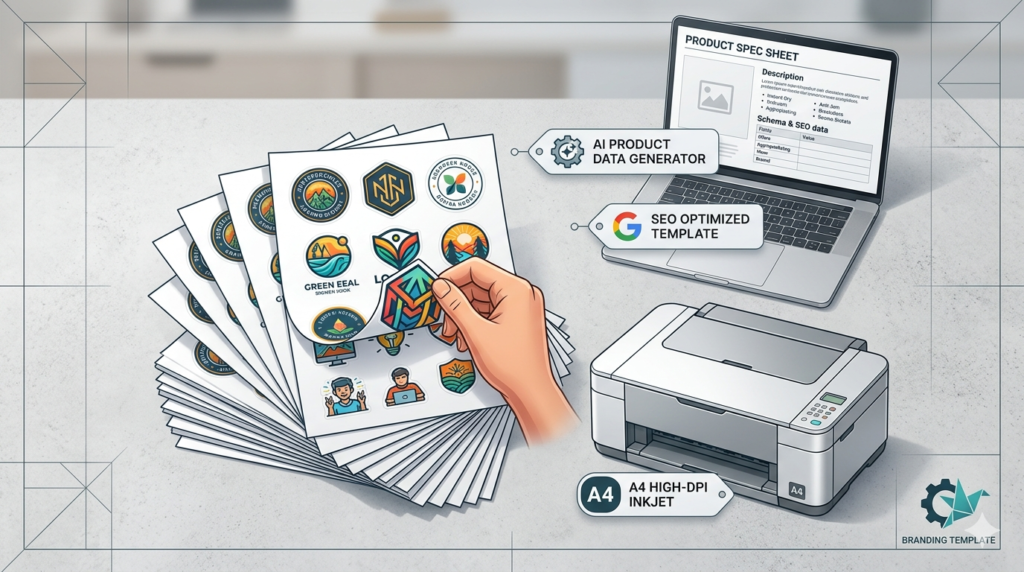
- Structured Data (Schema): Essential for getting “Rich Snippets” like star ratings and pricing to appear directly in Google search results.
2. How to Use AI Without Getting Penalized by Google
Google doesn’t penalize content just because it’s AI-generated; it penalizes low-quality content. To avoid this:
- Define Your Buyer Persona: Before asking for text, give the AI context. Are you talking to a technical expert or a hobbyist?
- Provide Raw Data: Feed the manufacturer’s spec sheet into the AI and ask it to transform it into “persuasive copy using the AIDA framework (Attention, Interest, Desire, Action).”
- Mandatory Humanization: Always review the tone. AI tends to overuse adjectives like “incredible” or “revolutionary.” Cut the fluff and use natural, direct language.
3. Real-World Case Study: From Generic to SEO-Optimized
Let’s look at the difference between a standard supplier blurb and an AI-optimized version that targets specific “pain points” identified in competitor research (specifically printer jams and ink smearing).
A. Supplier Version (Duplicate Content)
- Product Name: Matte A4 Vinyl Sticker Paper 20 Sheets.
- Description: High-quality self-adhesive paper for inkjet printers. Matte finish, A4 size. 20-sheet pack. Ideal for crafts and labels. Easy to use and peel. Compatible with HP, Epson, and Canon.
B. AI-Enhanced Version (Reverse-Engineered)
This version was generated after prompting the AI to solve “pain points” found in Amazon customer reviews.
H1 Title (Long-Tail + Search Intent)
Matte A4 Vinyl Sticker Paper - Instant Dry & Anti-Jam Technology (20 Sheets)
Semantic Description (The “Content Gap”)
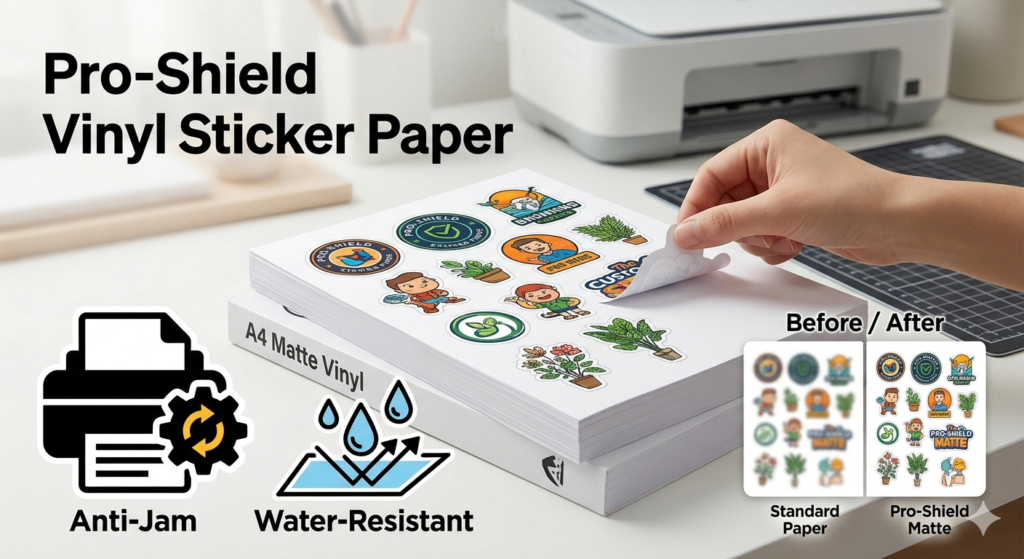
Tired of labels smearing the moment they leave the printer? Unlike standard vinyl sheets that require minutes of drying time, our Pro-Shield Vinyl features molecular absorption technology. The ink locks in place instantly, allowing you to handle your stickers immediately without the risk of smudging. Furthermore, we’ve calibrated the thickness to 135 microns to ensure smooth feeding in home desktop trays, eliminating common jamming issues found in HP, Epson, or Canon Inkjet models.
Benefits-Driven Bullet Points (Problem Solving)
- Instant-Dry Surface: Smudge-proof in under 5 seconds. The microporous coating traps DYE or Pigment ink on contact.
- Guaranteed Feed (Anti-Jam): Thickness and rigidity optimized for desktop printers. No more curled edges or roller jams.
- True Water Resistance: High moisture and splash resistance without image degradation (perfect for product packaging).
- Industrial Strength Adhesive: Permanent bond on glass, plastic, and metal surfaces without corner lifting.
Technical Specs (Structured Data)
- Material: Premium Matte Monomeric Vinyl.
- Compatibility: Inkjet Printers Only (DYE & Pigmented inks).
- Best Use: Product labeling, custom stickers, and indoor signage.
Technical FAQ (Long-Tail Traffic)
- Is it dishwasher safe? It survives gentle hand washing. For heavy dishwasher use, we recommend a cold-press laminate.
- Does it work with Laser printers? No. Laser fuser heat can damage the coating. Please use our Laser-specific range.
4. Reverse-Engineering Your Competitors on Amazon and Google with AI
If you sell a known brand or a generic model with high competition, AI is your competitive intelligence tool. Don’t copy them—identify what they are doing well and find the gaps to beat them.
A. Amazon Mining (Pain Point Detection)
Ask the AI to analyze reviews of the “Best Sellers” in your category. Specifically, look at 3-star reviews.
- The Why: 1-star reviews are usually shipping complaints; 3-star reviews are the most technical and honest.
- The Action: If users complain that the “manual is unreadable” or “the surface scratches easily,” your page should highlight: “Anti-scratch coating” and “3-step quick start guide included.”
B. SERP Analysis (Google Ranking Factors)
Look at the top 3 organic results for your product. AI can help you detect why they are there:
- LSI Keywords: Do they use terms like “professional finish,” “durability,” or “easy application”? Add these to your semantic description.
- Winning Structure: If leaders use comparison tables or FAQs, your page must integrate them to match or exceed their authority.
C. The AI “Spying” Workflow:
- Input: Paste the text from the top 3 Amazon listings and the top 2 Google results into the AI.
- Instruction: “Identify the main benefits these competitors highlight and the common customer questions they fail to answer properly.”
- Result: You get a list of real competitive advantages your product page must emphasize to win the click.
Expert Tip: If the Google leader has a very technical description, make yours technical but readable. If they are too generic, you go ultra-specific. Use AI to fill the “content gap” they’ve left wide open.